
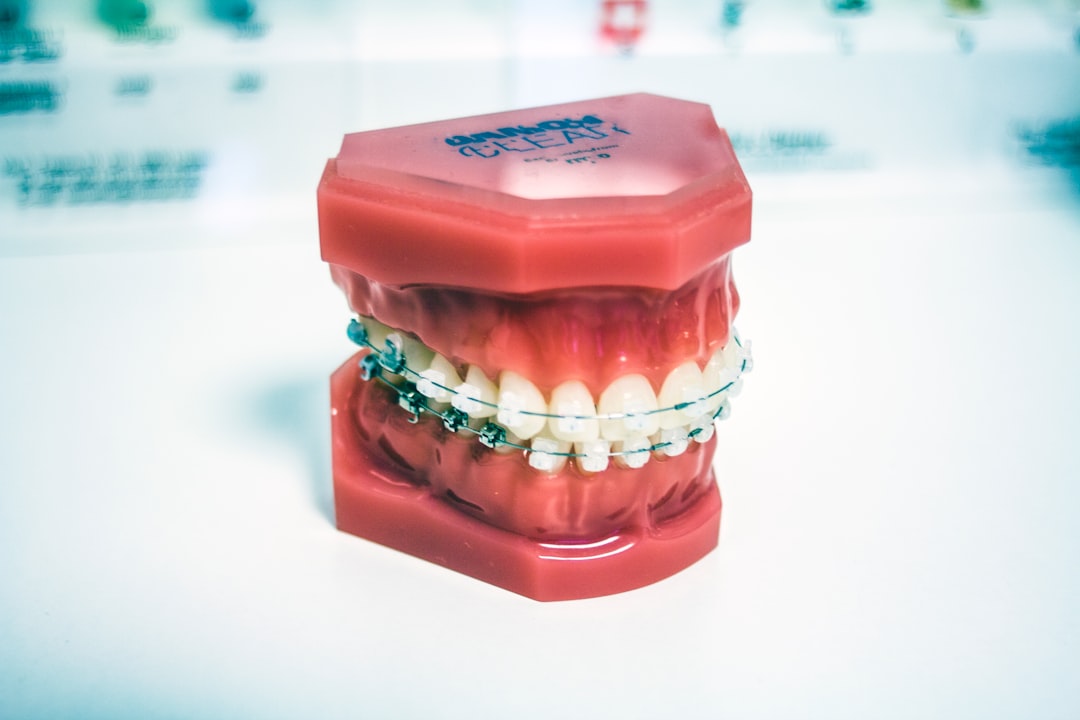
Dental sedation is a technique used by dentists to help patients relax during dental procedures. It involves the use of medication to calm and relax patients, making it easier for them to undergo dental treatments. Sedation is particularly useful for patients who experience anxiety or fear when visiting the dentist, as it can help them feel more comfortable and at ease during their appointment. Additionally, sedation can also be beneficial for patients who have a low pain threshold, a sensitive gag reflex, or need to undergo lengthy or complex dental procedures.
Sedation in dentistry can range from mild relaxation to deep sedation, depending on the patient’s needs and the type of procedure being performed. It is important to note that dental sedation is not the same as general anesthesia, as the patient remains conscious and able to respond to verbal cues throughout the procedure. The goal of dental sedation is to create a relaxed and comfortable experience for the patient, while still allowing the dentist to effectively carry out the necessary dental work. Overall, dental sedation is a valuable tool that can help both patients and dentists manage anxiety and discomfort during dental procedures.
Key Takeaways
- Dental sedation helps patients relax and feel comfortable during oral surgery procedures.
- There are different types of dental sedation, including oral sedatives, nitrous oxide, and IV sedation.
- Dental sedation can reduce anxiety, pain, and discomfort during oral surgery, leading to a more positive experience for patients.
- Risks of dental sedation include potential side effects and complications, so it’s important for patients to discuss their medical history and concerns with their dental team.
- The dental team plays a crucial role in administering and monitoring sedation to ensure patient safety and comfort during oral surgery procedures.
- Patients often report feeling calm and relaxed during oral surgery with the use of dental sedation.
- Future trends in dental sedation for oral surgery may include advancements in sedative medications and techniques to further improve patient experience and safety.
Different Types of Dental Sedation
There are several different types of dental sedation that dentists may use, depending on the patient’s needs and the nature of the dental procedure. The most common types of dental sedation include nitrous oxide (laughing gas), oral sedatives, intravenous (IV) sedation, and general anesthesia. Nitrous oxide is a mild form of sedation that is inhaled through a mask placed over the patient’s nose. It produces a feeling of relaxation and euphoria, and is often used for patients with mild anxiety or fear of dental procedures.
Oral sedatives are medications that are taken by mouth before the dental appointment to help patients feel calm and relaxed. These medications can range from mild to moderate in strength, and are often prescribed based on the patient’s level of anxiety and the complexity of the dental procedure. Intravenous (IV) sedation involves the administration of sedative medications directly into the patient’s bloodstream through a vein. This type of sedation allows for a deeper level of relaxation and is often used for more complex or lengthy dental procedures.
General anesthesia is the deepest form of sedation, in which the patient is completely unconscious and unable to respond to stimuli. It is typically reserved for more extensive oral surgeries or for patients with severe dental phobia or special needs. Each type of dental sedation has its own benefits and considerations, and the dentist will work with the patient to determine the most appropriate option based on their individual needs and medical history.
Benefits of Dental Sedation in Oral Surgery
Dental sedation offers numerous benefits for patients undergoing oral surgery. One of the primary advantages is that it helps to alleviate anxiety and fear, allowing patients to feel more at ease during what can be a stressful and intimidating experience. This can be particularly beneficial for patients undergoing procedures such as wisdom teeth extraction, dental implant placement, or bone grafting, which may be more invasive and require a longer recovery time.
In addition to reducing anxiety, dental sedation can also help to minimize discomfort and pain during oral surgery. By inducing a state of relaxation, sedation can make it easier for patients to tolerate the sensations and sounds associated with surgical procedures, ultimately improving their overall experience. Furthermore, sedation can also help to reduce muscle tension and involuntary movements, making it easier for the dentist to perform precise and delicate surgical techniques.
Another significant benefit of dental sedation in oral surgery is that it can help to minimize the patient’s memory of the procedure. This can be particularly advantageous for patients who may have a fear of needles or sharp instruments, as they may not remember the details of the surgery afterwards. Overall, dental sedation plays a crucial role in enhancing patient comfort and satisfaction during oral surgery, ultimately contributing to a more positive treatment outcome.
Risks and Considerations of Dental Sedation
While dental sedation offers many benefits, it is important for patients to be aware of the potential risks and considerations associated with this technique. One of the primary concerns with dental sedation is the potential for adverse reactions or side effects from the medications used. These can include dizziness, nausea, vomiting, headaches, and drowsiness, among others. Additionally, some patients may experience allergic reactions to certain sedative medications, which can pose a serious risk to their health.
Another consideration with dental sedation is the potential for over-sedation or under-sedation, which can lead to complications during the dental procedure. Over-sedation can result in respiratory depression, low blood pressure, or even loss of consciousness, while under-sedation may not provide adequate relief from anxiety or discomfort. It is crucial for dentists to carefully assess each patient’s medical history and individual needs in order to determine the most appropriate level of sedation and minimize these risks.
Furthermore, patients should be aware that dental sedation may have lingering effects after the procedure, such as drowsiness or impaired coordination. As a result, it is important for patients to arrange for transportation home after their appointment and avoid operating heavy machinery or making important decisions for a certain period of time. Overall, while dental sedation can greatly improve the patient experience during dental procedures, it is essential for both patients and dentists to carefully consider the potential risks and take appropriate precautions.
The Role of the Dental Team in Administering Sedation
The administration of dental sedation involves a collaborative effort between the dentist, dental hygienist, and other members of the dental team. Each team member plays a crucial role in ensuring that the patient receives safe and effective sedation throughout their treatment. The dentist is responsible for assessing the patient’s medical history, determining the appropriate type and level of sedation, and obtaining informed consent from the patient before proceeding with the procedure.
The dental hygienist may assist in preparing the patient for sedation by explaining the process and addressing any concerns or questions they may have. During the procedure, the hygienist will monitor the patient’s vital signs and level of consciousness, while also providing support and reassurance to help keep the patient calm and comfortable. Additionally, other members of the dental team may be involved in preparing and administering medications, as well as maintaining a safe and sterile environment throughout the sedation process.
It is essential for all members of the dental team to be trained in emergency protocols and prepared to respond quickly and effectively in the event of any complications related to sedation. This includes having access to emergency medications and equipment, as well as being able to provide basic life support measures if necessary. Overall, effective communication and coordination among the dental team are critical in ensuring that patients receive safe and high-quality care during dental sedation procedures.
Patient Experience with Dental Sedation
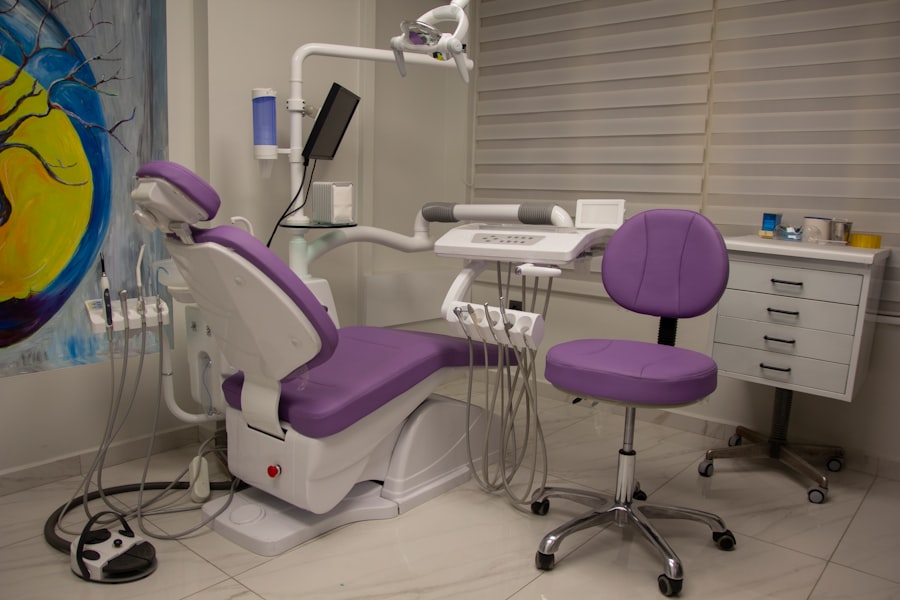
For many patients, dental sedation can significantly improve their overall experience during dental procedures. By helping to reduce anxiety and discomfort, sedation allows patients to feel more relaxed and at ease throughout their appointment. This can be particularly beneficial for individuals who have had negative experiences with dentistry in the past or who struggle with dental phobia, as it can help them feel more confident about seeking necessary treatment.
Furthermore, dental sedation can also make it easier for patients to undergo lengthy or complex procedures without feeling overwhelmed or fatigued. This can ultimately contribute to a more positive treatment outcome and reduce the need for multiple appointments or additional interventions. Additionally, many patients appreciate that dental sedation can help them have little to no memory of their procedure afterwards, which can alleviate any lingering fears or anxieties about future appointments.
However, it is important for patients to communicate openly with their dentist about their concerns and preferences regarding sedation. This includes discussing any medical conditions or medications they may be taking that could affect their response to sedative medications. By working together with their dentist to develop a personalized sedation plan, patients can ensure that they receive safe and effective care that meets their individual needs and helps them feel more comfortable throughout their dental treatment.
Future Trends in Dental Sedation for Oral Surgery
As technology continues to advance in dentistry, there are several emerging trends in dental sedation that may shape the future of oral surgery. One such trend is the development of new sedative medications that offer improved safety profiles and faster onset times. These medications may provide more precise control over the level of sedation achieved, allowing dentists to tailor treatment plans more effectively to each patient’s needs.
Another trend in dental sedation is the use of advanced monitoring technologies that can provide real-time feedback on a patient’s vital signs and level of consciousness during procedures. This can help dentists identify potential complications earlier and respond more quickly if necessary, ultimately enhancing patient safety and reducing the risk of adverse events related to sedation.
Furthermore, there is growing interest in incorporating non-pharmacological approaches to sedation in dentistry, such as virtual reality or guided imagery techniques. These methods aim to distract patients from their surroundings and create a more calming environment without relying solely on medication. By integrating these alternative approaches with traditional sedative techniques, dentists may be able to offer more comprehensive and personalized care that addresses both physical and psychological aspects of patient comfort.
Overall, these future trends in dental sedation hold great promise for improving patient experiences during oral surgery and enhancing safety outcomes. By staying informed about these developments and embracing new approaches to sedation, dentists can continue to provide high-quality care that meets the evolving needs of their patients while ensuring their comfort and well-being throughout their treatment journey.
If you are interested in learning more about the benefits of sedation dentistry, check out this article on children’s dentistry. It discusses how sedation can help children feel more comfortable during dental procedures, making it easier for them to receive the care they need.
St. Albert, AB
Ready to book your visit?
New patients are always welcome — no referral needed. Reach our friendly team today.