
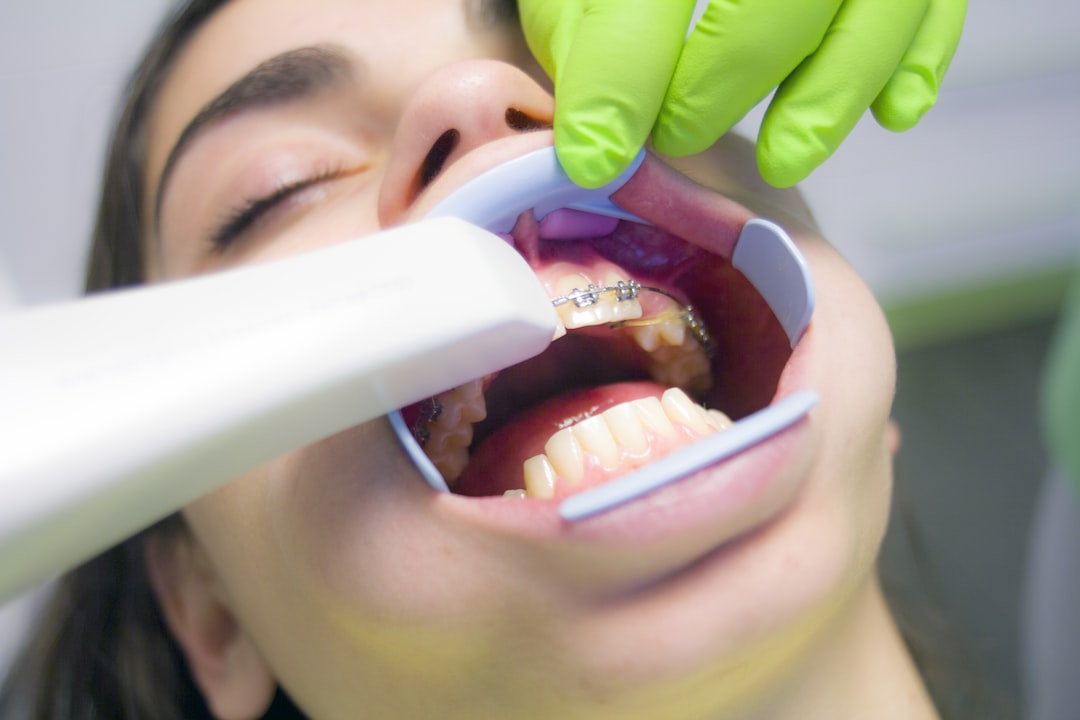
Gum disease, also known as periodontal disease, is a common oral health condition that affects millions of people worldwide. It is a chronic inflammatory condition that affects the gums and the surrounding tissues that support the teeth. If left untreated, gum disease can lead to tooth loss and can even have an impact on overall health. In this article, we will explore the causes and symptoms of gum disease, as well as the role of scaling and root planing in its prevention and treatment.
Key Takeaways
- Gum disease is caused by bacteria in plaque buildup on teeth and gums
- Scaling and root planing is a non-surgical procedure that can prevent and treat gum disease
- The procedure involves removing plaque and tartar buildup from below the gumline
- Scaling and root planing can improve gum health, reduce inflammation, and prevent tooth loss
- Risk factors for gum disease include smoking, diabetes, and poor oral hygiene habits
Understanding Gum Disease: Causes and Symptoms
Gum disease is primarily caused by the buildup of plaque, a sticky film of bacteria that forms on the teeth. When plaque is not removed through regular brushing and flossing, it can harden into tartar, which can only be removed by a dental professional. The bacteria in plaque and tartar release toxins that irritate the gums, leading to inflammation and infection.
The symptoms of gum disease can vary depending on the stage of the condition. In its early stage, known as gingivitis, symptoms may include red, swollen gums that bleed easily during brushing or flossing. As gum disease progresses to periodontitis, symptoms may include persistent bad breath, receding gums, loose teeth, and changes in the bite. It is important to seek treatment at the first sign of gum disease to prevent further damage to the gums and teeth.
The Role of Scaling and Root Planing in Gum Disease Prevention
Scaling and root planing is a non-surgical procedure that is often recommended for patients with gum disease. It is a deep cleaning treatment that removes plaque and tartar buildup from below the gumline. The goal of scaling and root planing is to eliminate bacteria and toxins from the pockets that have formed between the gums and teeth.
During scaling, a dental professional uses special instruments to remove plaque and tartar from the tooth surfaces and below the gumline. Root planing, on the other hand, involves smoothing the root surfaces of the teeth to remove any rough areas where bacteria can easily accumulate. This helps to prevent further plaque buildup and allows the gums to reattach to the teeth.
How Scaling and Root Planing Help Remove Plaque and Tartar Buildup
| Scaling and Root Planing | Plaque and Tartar Buildup |
|---|---|
| Scaling and root planing is a non-surgical procedure that involves removing plaque and tartar buildup from the teeth and gums. | Plaque and tartar buildup is caused by bacteria in the mouth that stick to the teeth and gums, forming a sticky film called plaque. If not removed, plaque hardens into tartar, which can lead to gum disease and tooth decay. |
| Scaling involves using special tools to remove plaque and tartar from the teeth and gums, including below the gumline. | Tartar buildup can only be removed by a dental professional, as it is too hard to remove with regular brushing and flossing. |
| Root planing involves smoothing out the roots of the teeth to remove any rough spots where bacteria can collect. | Plaque and tartar buildup can lead to gum disease, which can cause redness, swelling, and bleeding of the gums, as well as bad breath and tooth loss. |
| Scaling and root planing can help prevent and treat gum disease, as well as improve overall oral health. | Regular brushing and flossing, as well as regular dental cleanings, can help prevent plaque and tartar buildup and maintain good oral health. |
Plaque and tartar buildup can have a detrimental effect on gum health. The bacteria in plaque release toxins that irritate the gums, leading to inflammation and infection. Over time, this can cause the gums to pull away from the teeth, forming pockets where more bacteria can accumulate.
Scaling and root planing is an effective way to remove plaque and tartar buildup from below the gumline. By thoroughly cleaning the tooth surfaces and smoothing the root surfaces, scaling and root planing helps to eliminate bacteria and toxins from the pockets, allowing the gums to heal and reattach to the teeth. This not only improves gum health but also reduces the risk of further damage to the gums and teeth.
The Benefits of Scaling and Root Planing for Gum Health
Scaling and root planing offers several benefits for gum health. Firstly, it helps to remove plaque and tartar buildup, which are major contributors to gum disease. By eliminating these harmful substances, scaling and root planing can help prevent further damage to the gums and teeth.
Secondly, scaling and root planing can help reduce inflammation in the gums. Inflammation is a key characteristic of gum disease, and by removing bacteria and toxins from the pockets, scaling and root planing can help reduce inflammation and promote healing.
Lastly, scaling and root planing can help improve overall oral health. By addressing gum disease, scaling and root planing can help prevent tooth loss and other complications associated with advanced gum disease. It can also improve the appearance of the smile by reducing redness, swelling, and bleeding in the gums.
Who Needs Scaling and Root Planing? Identifying Risk Factors for Gum Disease

While anyone can develop gum disease, there are certain risk factors that can increase the likelihood of developing the condition. These risk factors include poor oral hygiene, smoking, hormonal changes (such as during pregnancy or menopause), certain medications, diabetes, and a family history of gum disease.
If you have any of these risk factors or are experiencing symptoms of gum disease, it is important to visit a dental professional for an evaluation. They will be able to determine if scaling and root planing is necessary and develop a treatment plan tailored to your specific needs.
The Procedure: What to Expect During Scaling and Root Planing
Scaling and root planing is typically performed by a dental hygienist or dentist. The procedure is usually done in multiple visits, with each visit focusing on a different section of the mouth. Local anesthesia may be used to numb the gums and make the procedure more comfortable.
During scaling, the dental professional will use special instruments to remove plaque and tartar from the tooth surfaces and below the gumline. This may involve scraping or ultrasonic scaling, which uses high-frequency vibrations to break up plaque and tartar.
After scaling, root planing is performed to smooth the root surfaces of the teeth. This helps to remove any rough areas where bacteria can easily accumulate and allows the gums to reattach to the teeth.
Tips for Maintaining Good Oral Hygiene After Scaling and Root Planing
After scaling and root planing, it is important to maintain good oral hygiene to prevent further plaque buildup and maintain gum health. Here are some tips for maintaining good oral hygiene:
1. Brush your teeth at least twice a day with a soft-bristled toothbrush.
2. Use a fluoride toothpaste to help strengthen tooth enamel.
3. Floss daily to remove plaque and food particles from between the teeth.
4. Rinse with an antimicrobial mouthwash to help kill bacteria.
5. Avoid smoking and limit your consumption of sugary foods and drinks.
6. Visit your dentist regularly for checkups and cleanings.
The Importance of Regular Dental Checkups and Cleanings
Regular dental checkups and cleanings are an essential part of maintaining good oral health and preventing gum disease. During a dental checkup, your dentist will examine your teeth and gums for any signs of gum disease or other oral health issues. They may also take X-rays to check for any underlying problems that may not be visible to the naked eye.
In addition to the examination, a dental cleaning will be performed to remove plaque and tartar buildup from the teeth. This helps to prevent gum disease and maintain gum health. Your dentist may also provide personalized recommendations for improving your oral hygiene routine and addressing any specific concerns you may have.
The Link Between Gum Disease and Overall Health
Gum disease is not just a problem for the mouth – it can also have an impact on overall health. Research has shown that there is a link between gum disease and several systemic conditions, including heart disease, diabetes, respiratory infections, and preterm birth.
The exact mechanisms behind this link are still being studied, but it is believed that the inflammation caused by gum disease can contribute to the development or worsening of these conditions. Additionally, the bacteria in the mouth can enter the bloodstream and travel to other parts of the body, potentially causing or exacerbating systemic health issues.
Investing in Your Oral Health: The Long-Term Benefits of Scaling and Root Planing
Investing in your oral health by undergoing scaling and root planing can have long-term benefits for both your gum health and overall health. By addressing gum disease early on, you can prevent further damage to the gums and teeth, reducing the risk of tooth loss and other complications associated with advanced gum disease.
In addition to the immediate benefits, scaling and root planing can also improve your overall health and well-being. By reducing inflammation in the gums, scaling and root planing can help lower the risk of systemic health issues that are associated with gum disease. This can lead to improved overall health and a better quality of life.
Gum disease is a common oral health condition that can have a significant impact on both gum health and overall health. Scaling and root planing is a non-surgical procedure that can help prevent and treat gum disease by removing plaque and tartar buildup from below the gumline. By investing in your oral health through scaling and root planing, you can improve gum health, prevent tooth loss, and reduce the risk of systemic health issues associated with gum disease. Remember to maintain good oral hygiene and visit your dentist regularly for checkups and cleanings to ensure the long-term success of scaling and root planing.
If you’re interested in learning more about the importance of scaling and root planing in preventing gum disease, check out this informative article on Riverside Landing Dental’s website. It provides valuable insights into how this dental procedure can help maintain healthy gums and prevent the progression of gum disease. To read the article, click here.
St. Albert, AB
Ready to book your visit?
New patients are always welcome — no referral needed. Reach our friendly team today.