
Wisdom teeth, also known as third molars, are the last set of teeth to develop in the mouth. They typically emerge between the ages of 17 and 25, although some individuals may experience their eruption earlier or later. Wisdom teeth can be a source of discomfort and dental problems for many people, leading to the need for extraction. In this article, we will explore the importance of wisdom teeth, their development and eruption process, common signs and symptoms of problems, when extraction is necessary, different extraction procedures, pre-operative and post-operative care, possible complications and risks, and frequently asked questions.
Key Takeaways
- Wisdom teeth are the third set of molars that typically develop in the late teenage years or early twenties.
- Wisdom teeth can cause problems such as pain, infection, and damage to adjacent teeth if they do not have enough room to properly erupt.
- Signs of wisdom teeth problems include pain, swelling, redness, and difficulty opening the mouth.
- Extraction may be necessary if wisdom teeth are causing problems or if they are impacted, meaning they are stuck beneath the gum line.
- Early detection and treatment of wisdom teeth issues can prevent more serious complications and make extraction easier.
What are Wisdom Teeth and Why Do We Have Them?
Wisdom teeth are the third molars located at the back of the mouth. Most adults have four wisdom teeth, one in each corner of the mouth. However, it is not uncommon for some individuals to have fewer or even no wisdom teeth at all.
The evolutionary purpose of wisdom teeth is believed to be related to our ancestors’ diet. Early humans had a diet that consisted of rougher foods such as roots, nuts, and meats that required more chewing power. Wisdom teeth were an evolutionary adaptation to help with this type of diet. However, as our diets have evolved over time to include softer and more processed foods, the need for wisdom teeth has diminished.
The Normal Development and Eruption of Wisdom Teeth
The development of wisdom teeth begins during adolescence when the tooth buds form in the jawbone. These tooth buds slowly develop into fully formed teeth over several years. The eruption process typically occurs between the ages of 17 and 25, although it can vary from person to person.
The stages of wisdom teeth eruption can be divided into three phases: pre-eruptive, eruptive, and post-eruptive. During the pre-eruptive phase, the tooth is still developing within the jawbone. In the eruptive phase, the tooth begins to push through the gum tissue and emerge into the mouth. Finally, in the post-eruptive phase, the tooth settles into its final position in the mouth.
Common Signs and Symptoms of Wisdom Teeth Problems
| Signs and Symptoms | Description |
|---|---|
| Pain and Discomfort | Wisdom teeth can cause pain and discomfort in the back of the mouth, jaw, and ears. |
| Swelling | Swelling of the gums and face can occur due to wisdom teeth pushing against other teeth. |
| Bleeding Gums | Wisdom teeth can cause bleeding gums due to inflammation and irritation. |
| Difficulty Opening Mouth | Wisdom teeth can cause stiffness and difficulty opening the mouth fully. |
| Bad Breath | Wisdom teeth can cause bad breath due to bacteria buildup in the back of the mouth. |
Not all individuals experience problems with their wisdom teeth, but for those who do, there are several common signs and symptoms to watch out for. These include pain and discomfort, swelling and inflammation, and gum disease and infection.
Pain and discomfort are often the first signs of wisdom teeth problems. This can manifest as a dull ache or sharp pain in the back of the mouth. The pain may be intermittent or constant and can radiate to other areas of the head and neck.
Swelling and inflammation around the wisdom teeth can occur due to impaction or infection. Impaction refers to when the wisdom teeth do not have enough space to fully emerge, causing them to become trapped beneath the gum line. This can lead to swelling, redness, and tenderness in the surrounding tissues.
Gum disease and infection can also occur when wisdom teeth are not properly cleaned or if there is an impaction. This can result in symptoms such as bleeding gums, bad breath, and a foul taste in the mouth.
How to Know When Wisdom Teeth Extraction is Necessary
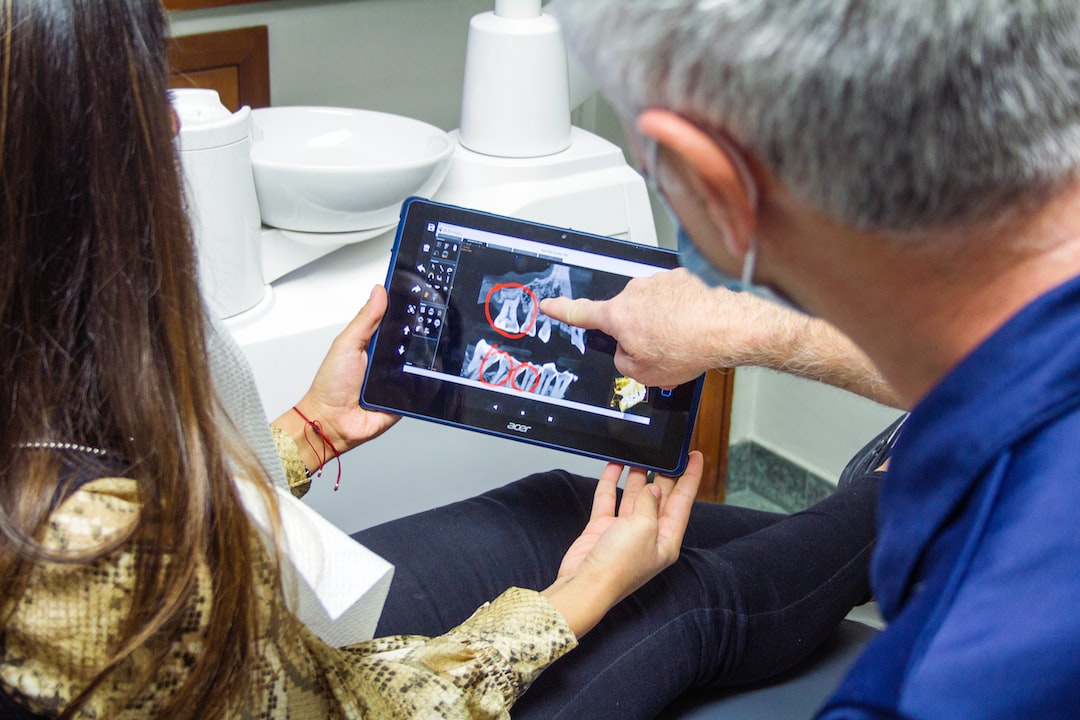
Determining whether wisdom teeth extraction is necessary requires a thorough examination by a dental professional. X-rays are typically taken to assess the position and development of the wisdom teeth. Signs of impacted wisdom teeth, such as pain, swelling, and infection, may also indicate the need for extraction.
Impacted wisdom teeth occur when there is not enough space in the mouth for them to fully emerge. This can cause them to become trapped beneath the gum line or grow at an angle. Impacted wisdom teeth can lead to a variety of problems, including damage to adjacent teeth, cyst formation, and gum disease.
Other dental issues that may require wisdom teeth extraction include overcrowding, decay, and gum disease. If the wisdom teeth are causing overcrowding, they may need to be removed to create space for the other teeth to align properly. Decay and gum disease can occur when the wisdom teeth are difficult to clean or if they are partially erupted, making them more susceptible to bacteria and plaque buildup.
The Importance of Early Detection and Treatment of Wisdom Teeth Issues
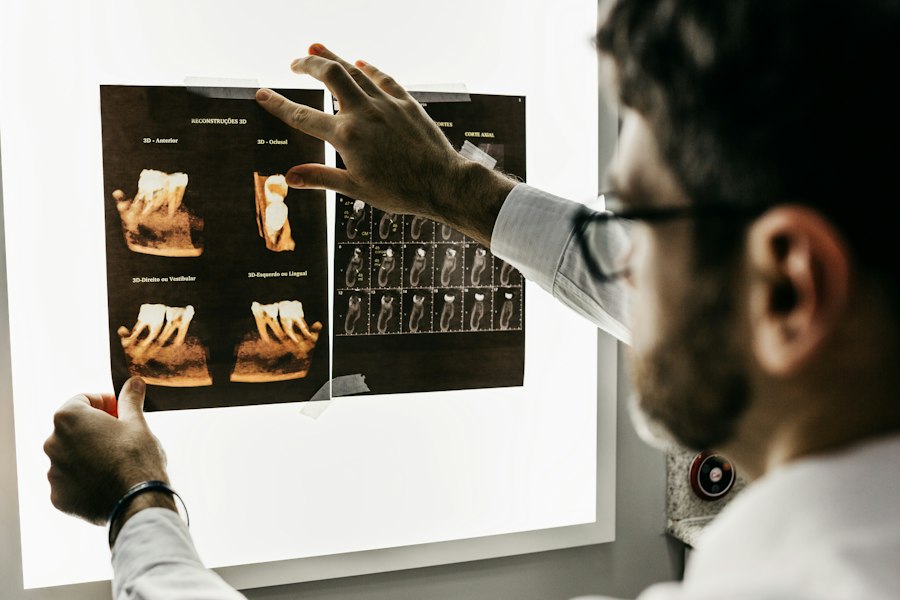
Early detection and treatment of wisdom teeth issues can help prevent further complications and reduce the risk of damage to surrounding structures. By identifying problems early on, dental professionals can develop a treatment plan that is tailored to the individual’s needs.
One of the benefits of early detection is the ability to monitor the development of the wisdom teeth over time. X-rays can be taken periodically to assess their position and determine if extraction is necessary. This allows for proactive management of potential problems before they worsen.
Delaying treatment for wisdom teeth issues can lead to a variety of risks and complications. Impacted wisdom teeth can cause damage to adjacent teeth, leading to decay, infection, and even tooth loss. In severe cases, cysts or tumors may develop around impacted wisdom teeth, requiring more extensive surgical procedures for removal.
Different Types of Wisdom Teeth Extraction Procedures
There are two main types of wisdom teeth extraction procedures: simple extraction and surgical extraction. The type of procedure performed depends on the position and development of the wisdom teeth.
Simple extraction is typically performed when the wisdom tooth has fully erupted and is easily accessible. The dentist or oral surgeon will use forceps to grasp the tooth and gently rock it back and forth until it loosens from its socket. Once loose, the tooth can be lifted out of the socket with minimal discomfort.
Surgical extraction is necessary when the wisdom tooth is impacted or has not fully erupted. This procedure requires an incision in the gum tissue to access the tooth. In some cases, a small portion of bone may need to be removed to fully extract the tooth. Surgical extraction is usually performed under local anesthesia, but general anesthesia may be used for more complex cases or for patients with dental anxiety.
Preparing for Wisdom Teeth Extraction: What to Expect
Before undergoing wisdom teeth extraction, there are several pre-operative instructions that patients should follow. These instructions may vary depending on the individual’s specific case and the type of extraction being performed.
Patients are typically advised to avoid eating or drinking anything for at least six hours before the procedure to prevent complications during anesthesia. It is also important to arrange for someone to drive the patient home after the procedure, as they may still be under the effects of anesthesia.
On the day of the procedure, patients should wear loose, comfortable clothing and avoid wearing any jewelry or accessories that could interfere with the procedure. It is also important to bring any necessary paperwork, such as insurance information and a list of medications.
During the procedure, patients can expect to be given local anesthesia to numb the area around the wisdom teeth. In some cases, sedation may also be used to help patients relax and feel more comfortable during the procedure.
Post-Extraction Care and Recovery Tips
After wisdom teeth extraction, proper post-operative care is crucial for a smooth recovery. This includes managing pain, following a soft diet, and maintaining good oral hygiene.
Pain management is an important aspect of post-extraction care. Over-the-counter pain relievers such as ibuprofen or acetaminophen can help alleviate discomfort. The dentist or oral surgeon may also prescribe stronger pain medication if necessary.
Following a soft diet is recommended for the first few days after extraction to avoid irritating the surgical site. Foods that are easy to chew and swallow, such as soups, smoothies, and mashed potatoes, are ideal during this time. It is important to avoid hard, crunchy, or sticky foods that could dislodge the blood clot and delay healing.
Maintaining good oral hygiene is essential for preventing infection and promoting healing. Patients should gently brush their teeth and rinse their mouth with warm saltwater starting the day after the procedure. It is important to avoid vigorous rinsing or spitting for the first 24 hours to prevent dislodging the blood clot.
Possible Complications and Risks of Wisdom Teeth Extraction
While wisdom teeth extraction is a common and relatively safe procedure, there are some potential complications and risks that patients should be aware of. These include nerve damage, dry socket, and infection.
Nerve damage can occur if the wisdom teeth are located close to the nerves in the jawbone. This can result in numbness or tingling in the lower lip, tongue, or chin. In most cases, nerve damage is temporary and resolves on its own over time. However, in rare cases, it can be permanent.
Dry socket is a condition that occurs when the blood clot that forms after extraction becomes dislodged or dissolves prematurely. This can expose the underlying bone and nerves, leading to severe pain and delayed healing. Patients can reduce their risk of developing dry socket by following post-operative instructions and avoiding activities that could dislodge the blood clot.
Infection is another potential complication of wisdom teeth extraction. This can occur if bacteria enter the surgical site and cause an infection. Symptoms of infection include increased pain, swelling, redness, and discharge from the extraction site. If an infection occurs, patients may need to take antibiotics to clear the infection.
Frequently Asked Questions About Wisdom Teeth Extraction
1. Can I eat before the procedure?
It is generally recommended to avoid eating or drinking anything for at least six hours before the procedure to prevent complications during anesthesia.
2. How long does the procedure take?
The duration of the procedure depends on several factors, including the number of wisdom teeth being extracted, their position, and the complexity of the case. On average, the procedure can take anywhere from 45 minutes to two hours.
3. When can I resume normal activities?
Recovery times vary from person to person, but most individuals can resume normal activities within a few days to a week after the procedure. It is important to follow post-operative instructions and listen to your body’s cues to determine when you are ready to resume normal activities.
Wisdom teeth can be a source of discomfort and dental problems for many individuals. Early detection and treatment of wisdom teeth issues are crucial for preventing further complications and reducing the risk of damage to surrounding structures. Different types of extraction procedures may be performed depending on the position and development of the wisdom teeth. Pre-operative and post-operative care instructions should be followed to ensure a smooth recovery. While there are potential complications and risks associated with wisdom teeth extraction, seeking professional dental care and following post-operative instructions can help minimize these risks.
If you’re experiencing signs and symptoms of wisdom teeth problems, it’s important to seek professional dental care. Riverside Landing Dental offers a comprehensive range of services, including wisdom teeth extractions. Their team of experienced dentists can assess your situation and determine if extraction is necessary. With their state-of-the-art facilities and commitment to patient care, you can trust Riverside Landing Dental to provide the highest quality dental services. To learn more about their services or to book an appointment, visit their website at https://www.riversidelandingdental.com/services/urgent-dental-care/wisdom-teeth-extractions/.
FAQs
What are wisdom teeth?
Wisdom teeth are the third molars that usually emerge in the late teenage years or early twenties.
What are the signs and symptoms of wisdom teeth eruption?
The signs and symptoms of wisdom teeth eruption include pain, swelling, redness, bad breath, difficulty opening the mouth, and a bad taste in the mouth.
What are the signs and symptoms of impacted wisdom teeth?
The signs and symptoms of impacted wisdom teeth include pain, swelling, redness, bad breath, difficulty opening the mouth, and a bad taste in the mouth. In some cases, impacted wisdom teeth can also cause headaches, earaches, and neck pain.
When is extraction of wisdom teeth necessary?
Extraction of wisdom teeth is necessary when they are causing pain, swelling, infection, or damage to adjacent teeth. It is also necessary when they are impacted or when they are causing overcrowding in the mouth.
What is the procedure for wisdom teeth extraction?
The procedure for wisdom teeth extraction involves numbing the area with local anesthesia, making an incision in the gum tissue, removing the tooth, and stitching the incision closed. In some cases, the tooth may need to be broken into pieces before it can be removed.
What is the recovery time for wisdom teeth extraction?
The recovery time for wisdom teeth extraction varies depending on the individual and the complexity of the extraction. Generally, it takes about a week to fully recover from the procedure. During this time, patients should avoid strenuous activity, smoking, and eating hard or crunchy foods.
St. Albert, AB
Ready to book your visit?
New patients are always welcome — no referral needed. Reach our friendly team today.