
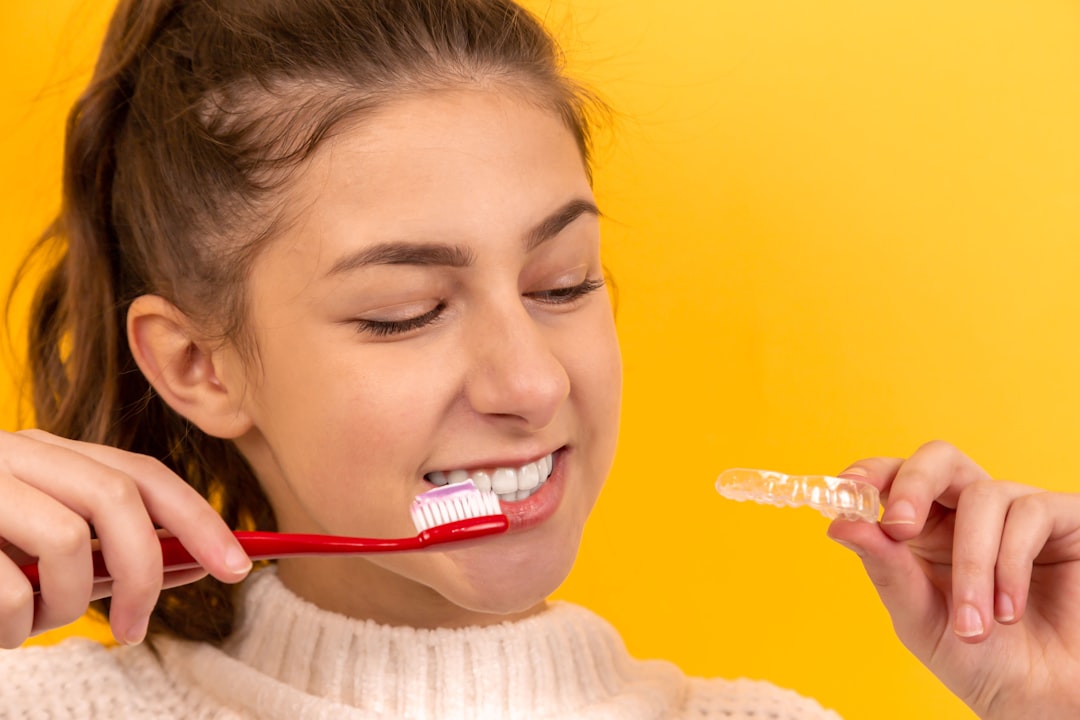
Dental health is an essential aspect of overall well-being, especially in children. A healthy diet plays a crucial role in maintaining good dental health and preventing oral health issues such as cavities, gum disease, and tooth decay. The foods and beverages that children consume can have a significant impact on their dental health, and it is important for parents and caregivers to be mindful of what their children eat and drink. By understanding the relationship between diet and dental health, parents can help their children develop healthy eating habits that support strong and healthy teeth.
Key Takeaways
- A balanced diet is crucial for maintaining good dental health in children.
- Sugar and carbohydrates can contribute to tooth decay and cavities in children.
- Nutrients like calcium, vitamin D, and phosphorus play a key role in supporting dental health.
- Proper hydration is important for saliva production, which helps protect teeth from decay.
- Acidic foods and beverages can erode tooth enamel and lead to dental problems in children.
The Impact of Sugar and Carbohydrates on Dental Health
Sugar and carbohydrates can have a detrimental effect on dental health, especially when consumed in excess. When children consume sugary foods and beverages, the bacteria in their mouths feed on the sugars and produce acids that can erode tooth enamel, leading to cavities and tooth decay. Additionally, carbohydrates from starchy foods such as bread, crackers, and chips can also break down into sugars, contributing to the same harmful process. It is important for parents to limit their children’s intake of sugary and starchy foods and encourage them to choose healthier alternatives such as fruits, vegetables, and whole grains. By reducing the consumption of sugar and carbohydrates, parents can help protect their children’s dental health and prevent oral health issues.
On the other hand, it is important to note that not all sugars are created equal. Natural sugars found in fruits and dairy products are less likely to cause tooth decay compared to added sugars found in processed foods and sugary beverages. However, it is still important to consume these natural sugars in moderation and practice good oral hygiene to maintain dental health. By being mindful of the types of sugars and carbohydrates their children consume, parents can make informed decisions about their diet to support optimal dental health.
The Role of Nutrients in Supporting Dental Health
Nutrients play a vital role in supporting dental health in children. Calcium, vitamin D, phosphorus, and vitamin C are essential nutrients that contribute to strong teeth and gums. Calcium is crucial for building strong bones and teeth, while vitamin D helps the body absorb calcium effectively. Phosphorus works alongside calcium to strengthen tooth enamel, and vitamin C supports healthy gums and prevents gum disease. Parents can ensure that their children receive these essential nutrients by including a variety of foods in their diet such as dairy products, leafy greens, nuts, seeds, citrus fruits, and lean meats. By providing a well-balanced diet rich in these nutrients, parents can help support their children’s dental health and reduce the risk of oral health issues.
In addition to these essential nutrients, water is also a crucial component of a healthy diet for dental health. Water helps wash away food particles and bacteria from the mouth, preventing the buildup of plaque and reducing the risk of cavities. It also helps maintain saliva production, which is essential for neutralizing acids in the mouth and protecting tooth enamel. Encouraging children to drink plenty of water throughout the day can help promote good dental health and support overall well-being.
The Importance of Proper Hydration for Dental Health
Proper hydration is essential for maintaining good dental health in children. Water is the best beverage for hydrating the body and supporting oral health. Unlike sugary drinks such as soda, fruit juice, and sports drinks, water does not contain added sugars that can contribute to tooth decay. By encouraging children to drink water regularly, parents can help keep their mouths hydrated and reduce the risk of dry mouth, which can lead to bad breath and an increased risk of cavities. Additionally, drinking water after meals can help wash away food particles and bacteria from the mouth, promoting good oral hygiene and supporting dental health.
It is important for parents to be mindful of their children’s hydration levels throughout the day, especially during physical activity or hot weather when the body loses more fluids through sweat. Providing children with easy access to water and encouraging them to drink water regularly can help ensure that they stay properly hydrated and support their dental health. By making water the beverage of choice for their children, parents can help promote good hydration and reduce the risk of oral health issues associated with sugary drinks.
The Effects of Acidic Foods and Beverages on Dental Health
Acidic foods and beverages can have a negative impact on dental health in children. Foods such as citrus fruits, tomatoes, vinegar, and acidic drinks like fruit juices, soda, and energy drinks can erode tooth enamel over time, leading to tooth sensitivity and an increased risk of cavities. When children consume acidic foods and beverages frequently or in large quantities, it can weaken their tooth enamel and make them more susceptible to oral health issues. Parents should be mindful of their children’s consumption of acidic foods and beverages and encourage them to enjoy these items in moderation. Additionally, it is important for children to practice good oral hygiene by brushing their teeth after consuming acidic foods or beverages to help protect their teeth from acid erosion.
To minimize the effects of acidic foods and beverages on dental health, parents can also encourage their children to consume these items as part of a meal rather than as a standalone snack. Eating acidic foods with other foods can help neutralize the acids in the mouth and reduce their harmful effects on tooth enamel. By being mindful of the impact of acidic foods and beverages on dental health, parents can help their children enjoy these items in a way that minimizes their potential harm to their teeth.
Tips for Promoting Good Dental Health Through Diet in Children

There are several tips that parents can follow to promote good dental health through diet in children:
1. Encourage a well-balanced diet: Including a variety of fruits, vegetables, whole grains, lean proteins, and dairy products in children’s diets can provide essential nutrients that support dental health.
2. Limit sugary and starchy foods: Reducing the consumption of sugary snacks, candies, sodas, and starchy foods can help prevent tooth decay and cavities.
3. Choose water as the primary beverage: Encouraging children to drink water throughout the day can help keep their mouths hydrated and reduce the risk of oral health issues associated with sugary drinks.
4. Provide nutrient-rich snacks: Offering nutrient-rich snacks such as fruits, vegetables, cheese, yogurt, and nuts can support dental health while satisfying hunger between meals.
5. Practice good oral hygiene: Teaching children to brush their teeth twice a day, floss regularly, and visit the dentist for regular check-ups can help maintain good oral hygiene and prevent dental problems.
By following these tips, parents can help promote good dental health through diet in children and support their overall well-being.
Maintaining a Healthy Diet for Optimal Dental Health in Children
In conclusion, diet plays a crucial role in maintaining optimal dental health in children. The impact of sugar and carbohydrates on dental health highlights the importance of limiting the consumption of these substances to prevent tooth decay and cavities. Essential nutrients such as calcium, vitamin D, phosphorus, vitamin C, and proper hydration are essential for supporting strong teeth and gums. Additionally, being mindful of the effects of acidic foods and beverages on dental health can help parents make informed decisions about their children’s diet to minimize potential harm to their teeth.
By promoting good dental health through diet in children, parents can help reduce the risk of oral health issues and support their overall well-being. Encouraging a well-balanced diet rich in essential nutrients, limiting sugary and starchy foods, choosing water as the primary beverage, providing nutrient-rich snacks, and practicing good oral hygiene are all important steps in promoting good dental health in children. By incorporating these tips into their daily routine, parents can help set their children up for a lifetime of strong and healthy teeth.
If you’re interested in learning more about the connection between diet and dental health in children, you may want to check out this article on additional care services offered by Riverside Landing Dental. They provide valuable information on how to maintain good oral health through proper nutrition and dental care. Learn more here.
St. Albert, AB
Ready to book your visit?
New patients are always welcome — no referral needed. Reach our friendly team today.