
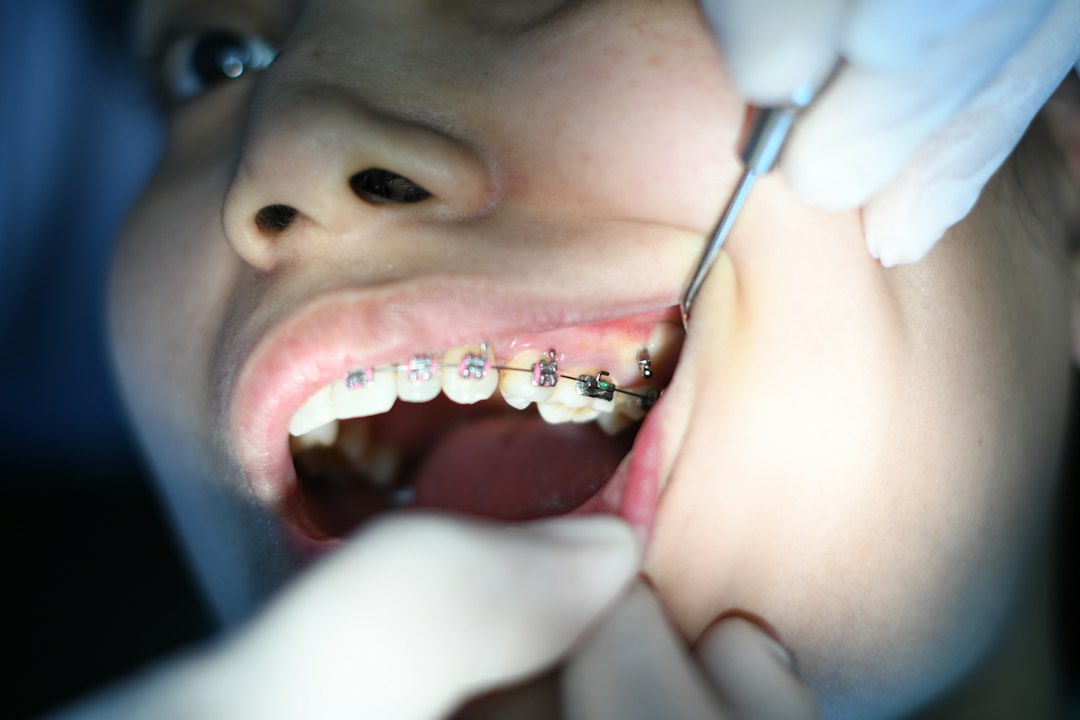
Wisdom teeth, also known as third molars, are the last set of teeth to develop in the human mouth. They typically emerge between the ages of 17 and 25, a time when individuals are said to have gained wisdom, hence the name “wisdom teeth.” While these teeth can be beneficial if they grow in properly, they often cause problems and require extraction. In this article, we will explore the purpose of wisdom teeth, common problems associated with them, when extraction is necessary, the risks and benefits of keeping them, the importance of regular dental check-ups, how to manage pain and discomfort caused by wisdom teeth, the impact of wisdom teeth on oral hygiene, the role of age in extraction, the procedure for extraction, and post-extraction care and recovery tips.
What are wisdom teeth and their purpose?
Wisdom teeth are the third set of molars that grow at the back of the mouth. Most people have four wisdom teeth, one in each corner of the mouth. These teeth are believed to have been useful to our ancestors who had larger jaws and needed extra chewing power to process their diet of tough foods like roots, nuts, and meat. However, as humans evolved and our diets changed, our jaws became smaller and there was less space for these extra molars.
The purpose of wisdom teeth in the human mouth is not entirely clear. Some experts believe that they serve as replacements for other molars that may be lost due to decay or injury later in life. Others suggest that they may have been necessary for our ancestors to chew their food properly. However, in modern times, wisdom teeth often cause more harm than good.
Common problems associated with wisdom teeth
One of the most common problems associated with wisdom teeth is crowding and misalignment. Since there is often not enough space in the mouth for these extra molars to grow in properly, they can push against the existing teeth, causing them to become crowded and misaligned. This can lead to bite problems, crooked teeth, and even damage to the surrounding teeth.
Another common issue with wisdom teeth is impaction. Impacted wisdom teeth are those that do not fully emerge from the gums. They may be partially covered by gum tissue or trapped beneath the jawbone. This can cause pain, swelling, and infection. In some cases, impacted wisdom teeth can also lead to the formation of cysts or tumors.
Infection and inflammation are also common problems associated with wisdom teeth. Since these molars are located at the back of the mouth, they can be difficult to clean properly. This can lead to the buildup of bacteria and food particles, which can cause infection and inflammation in the surrounding gums. Symptoms of infection and inflammation include pain, swelling, redness, and difficulty opening the mouth.
When is extraction necessary?
Extraction of wisdom teeth is necessary when they are causing problems or have the potential to cause problems in the future. Some signs and symptoms that indicate extraction may be necessary include pain or discomfort in the back of the mouth, swelling or redness around the gums, difficulty opening the mouth, bad breath or a bad taste in the mouth, and crowding or misalignment of other teeth.
It is important to note that not all wisdom teeth need to be extracted. If they are growing in properly, not causing any pain or discomfort, and can be cleaned properly, they may be able to stay in the mouth. However, it is difficult to predict how wisdom teeth will develop over time, so regular dental check-ups are essential for monitoring their progress.
The risks and benefits of keeping wisdom teeth
Keeping wisdom teeth can pose several risks. As mentioned earlier, these molars often cause crowding and misalignment of other teeth. This can lead to bite problems, crooked teeth, and the need for orthodontic treatment. Wisdom teeth can also become impacted, which can cause pain, swelling, infection, and even the formation of cysts or tumors. In addition, the location of wisdom teeth at the back of the mouth makes them difficult to clean properly, increasing the risk of infection and inflammation.
However, there are also some potential benefits of keeping wisdom teeth. Some studies suggest that wisdom teeth may have a role in maintaining the structure and alignment of the jawbone. They may also serve as a backup set of molars in case other teeth are lost due to decay or injury later in life. However, these potential benefits should be weighed against the risks and problems associated with wisdom teeth.
The importance of regular dental check-ups
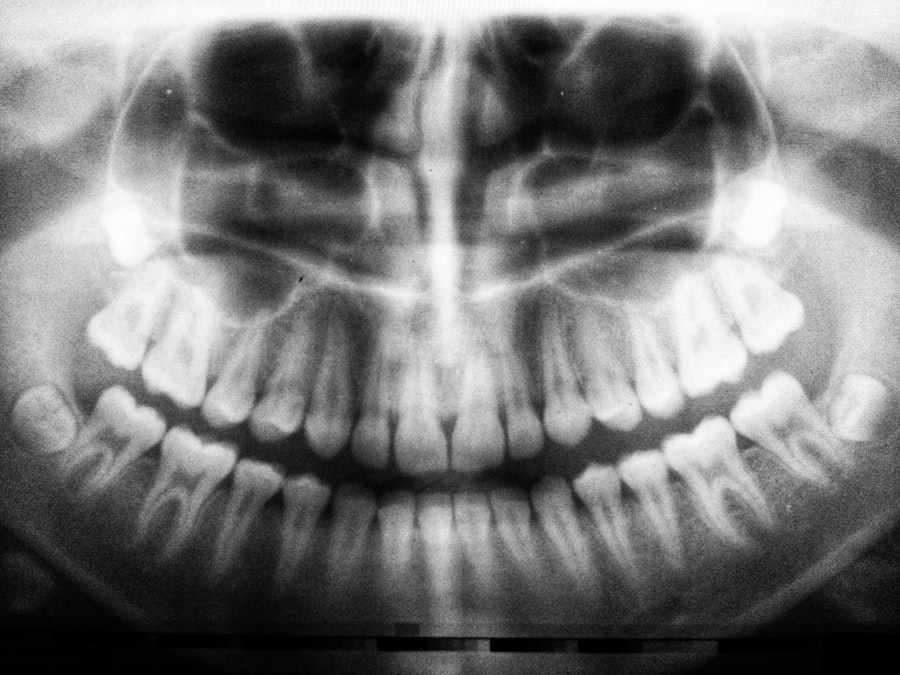
Regular dental check-ups are crucial for detecting problems with wisdom teeth early on. Dentists can monitor the development and growth of these molars and determine if extraction is necessary. X-rays may be taken to get a better view of the position and condition of the wisdom teeth. Early detection of problems can prevent further complications and make extraction easier.
In addition to monitoring wisdom teeth, regular dental check-ups are important for maintaining overall oral health. Dentists can identify and treat any other dental issues, such as cavities or gum disease, before they become more serious. They can also provide guidance on proper oral hygiene practices and offer advice on how to manage pain and discomfort caused by wisdom teeth.
How to manage pain and discomfort caused by wisdom teeth
If you are experiencing pain and discomfort due to your wisdom teeth, there are several home remedies that may help alleviate the symptoms. Rinsing your mouth with warm saltwater can help reduce inflammation and promote healing. Applying a cold compress to the outside of your cheek can numb the area and reduce swelling. Over-the-counter numbing gels or oral analgesics can also provide temporary relief.
Over-the-counter pain medications, such as ibuprofen or acetaminophen, can help manage pain and reduce inflammation. However, it is important to follow the instructions and dosage recommendations provided by the manufacturer or your healthcare professional. If the pain and discomfort persist or worsen, it is important to seek professional dental care.
The impact of wisdom teeth on oral hygiene
Wisdom teeth can pose challenges when it comes to maintaining proper oral hygiene. Their location at the back of the mouth makes them difficult to reach and clean properly. This can lead to the buildup of bacteria and food particles, increasing the risk of infection and inflammation. In addition, the presence of wisdom teeth can make it harder to brush and floss effectively, especially if they are crowded or misaligned.
Proper oral hygiene practices are essential for preventing problems with wisdom teeth. It is important to brush your teeth at least twice a day with a fluoride toothpaste and a soft-bristled toothbrush. Flossing should be done daily to remove plaque and food particles from between the teeth and along the gumline. Using an antimicrobial mouthwash can also help kill bacteria and freshen breath.
The role of age in wisdom teeth extraction
The ideal age for wisdom teeth extraction varies from person to person. In general, it is recommended to have them removed during the late teens or early twenties, before the roots are fully formed and the bone surrounding the teeth becomes denser. Younger patients tend to have faster healing times and fewer complications compared to older patients.
However, age is not the only factor that determines when wisdom teeth should be extracted. The decision to remove them depends on various factors, including the position and condition of the teeth, the presence of symptoms or problems, and the recommendation of your dentist or oral surgeon. It is important to consult with a dental professional to determine the best course of action for your specific situation.
The procedure for wisdom teeth extraction
There are two main types of extraction procedures for wisdom teeth: simple extraction and surgical extraction. Simple extraction is performed when the tooth is fully erupted and visible in the mouth. The dentist or oral surgeon will numb the area with a local anesthetic and use dental instruments to loosen and remove the tooth.
Surgical extraction is necessary when the tooth is impacted or partially erupted. It may also be recommended if the tooth is in a difficult position or if there are complications such as infection or damage to surrounding structures. Surgical extraction is usually performed under general anesthesia or intravenous sedation to ensure the patient’s comfort.
During the procedure, an incision is made in the gum tissue to access the tooth. The tooth may need to be sectioned into smaller pieces for easier removal. Once the tooth is extracted, the area is cleaned and stitched up if necessary. Gauze pads are placed over the extraction site to control bleeding, and the patient is given post-operative instructions for care and recovery.
Post-extraction care and recovery tips
After wisdom teeth extraction, it is important to follow proper post-operative care instructions to promote healing and prevent complications. Some tips for managing pain and discomfort include taking prescribed pain medications as directed, applying ice packs to reduce swelling, and eating soft foods that require minimal chewing. It is also important to avoid smoking, using straws, or engaging in strenuous activities that can dislodge blood clots and delay healing.
Proper oral hygiene practices should be maintained after extraction. However, it is important to avoid brushing or flossing around the extraction site for the first 24 hours to allow for proper healing. Rinsing with warm saltwater can help keep the area clean and promote healing. It is also important to attend follow-up appointments with your dentist or oral surgeon to monitor your recovery progress.
Wisdom teeth can cause a variety of problems and complications in the mouth. While some individuals may be able to keep their wisdom teeth without any issues, many people will require extraction to prevent further problems. Regular dental check-ups are essential for monitoring the development and growth of wisdom teeth and detecting any problems early on. Proper oral hygiene practices and post-extraction care are important for maintaining oral health and promoting healing. If you are experiencing pain or discomfort due to your wisdom teeth, it is important to seek professional dental care for an accurate diagnosis and appropriate treatment.
St. Albert, AB
Ready to book your visit?
New patients are always welcome — no referral needed. Reach our friendly team today.